how to lower testosterone for blood test 2 month blood test results (testosterone replacement therapy)
When it comes to our bodies, hormones play a crucial role in maintaining overall health and well-being. One hormone that often comes up in discussions is testosterone. Today, let’s explore what normal testosterone levels are and how they vary among different ages, genders, and more.
Understanding Testosterone Levels
Testosterone is a hormone found in both males and females, although it is typically associated with men. It plays a vital role in a myriad of bodily functions, such as muscle growth, bone density, and the production of red blood cells. Testosterone also influences mood, libido, and cognitive abilities.
For males, testosterone levels are generally highest during adolescence and early adulthood. They gradually decline as men age. On the other hand, females tend to have significantly lower testosterone levels, which are mainly produced by the ovaries and adrenal glands.
Normal Testosterone Levels
What constitutes as “normal” testosterone levels can vary depending on age, sex, and individual health. For adult males, typical testosterone levels range between 300 to 1,000 nanograms per deciliter (ng/dL). However, it is important to remember that everyone is unique, and a person’s normal levels may fall outside this range without signaling any underlying health issues.
Women, on the other hand, naturally have much lower testosterone levels. Normal ranges for females differ depending on factors such as age and stage of life. For women, testosterone levels typically range between 15 and 70 ng/dL.
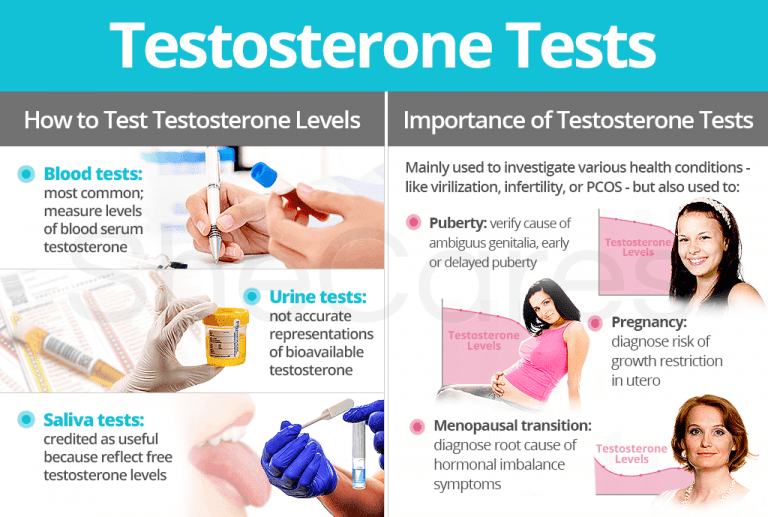
How to Test Testosterone Levels
A blood test is the most common method used to measure testosterone levels. This test involves drawing a small sample of blood, usually from a vein in the arm, which is then analyzed for testosterone concentration.
The blood test is a simple and relatively quick process that can provide valuable information about a person’s hormone levels. Testosterone levels are influenced by various factors, including age, sex, medications, and overall health. Therefore, it is recommended to consult with a healthcare professional to interpret the test results accurately.
Understanding the Importance of Balance
While testosterone is vital for several bodily functions, it is crucial to remember that too much or too little can have adverse effects. An imbalance in testosterone levels can lead to a range of symptoms, including fatigue, depression, decreased sex drive, reduced muscle mass, and increased body fat.
For men experiencing symptoms of low testosterone, a medical professional may recommend testosterone replacement therapy (TRT) to restore hormone levels. However, it is important to note that TRT should only be pursued after a thorough evaluation by a healthcare provider.
Conclusion
Testosterone is a hormone that plays a significant role in maintaining overall health. Normal testosterone levels can vary among different ages and genders, with males generally having higher levels than females. Understanding these levels, how to test them, and the importance of balance is crucial for maintaining optimal health and well-being.
 Image source: Medical News Today
Boosting Testosterone Naturally
If you’re looking to naturally boost your testosterone levels, there are several lifestyle changes you can consider:
- Exercise regularly: Engaging in both cardiovascular exercises and resistance training can help stimulate testosterone production.
- Get enough sleep: Aim for a minimum of 7-8 hours of quality sleep each night to allow your body to properly produce and regulate hormones.
- Maintain a healthy weight: Excess body fat can contribute to lower testosterone levels, so maintaining a healthy weight through a balanced diet and regular exercise is essential.
- Reduce stress: Chronically elevated stress levels can lead to imbalances in various hormones, including testosterone. Try incorporating stress-reduction techniques like meditation or yoga into your daily routine.
 Image source: Pinterest
Remember, while naturally boosting testosterone levels can have some positive effects, it’s important to consult with a healthcare professional for personalized advice and guidance tailored to your specific needs.
Stay informed, be proactive about your health, and take the necessary steps to ensure your testosterone levels are within the normal range. Your body will thank you!
If you are looking for 2 Month Blood Test Results (Testosterone Replacement Therapy) - YouTube you’ve came to the right web. We have 5 Images about 2 Month Blood Test Results (Testosterone Replacement Therapy) - YouTube like How to test your testosterone levels at home - Top 3 physical traits, 2 Month Blood Test Results (Testosterone Replacement Therapy) - YouTube and also The Most Accurate Testosterone Blood Test You Can Get. Here you go:
2 Month Blood Test Results (Testosterone Replacement Therapy) - YouTube
 www.youtube.comThe Most Accurate Testosterone Blood Test You Can Get
 moreplatesmoredates.comtestosterone blood test sensitivity high accurate most
How To Test Your Testosterone Levels At Home - Top 3 Physical Traits
 broscience.comtestosterone traits physical
Pin On Testoboost
www.pinterest.comtestosterone blood test
What Are Normal Testosterone Levels? Ages, Males, Females, And More
www.medicalnewstoday.comtestosterone levels test blood females high males normal common typical low than
What are normal testosterone levels? ages, males, females, and more. Testosterone traits physical. The most accurate testosterone blood test you can get